Source Classic Tungsten Moissanite Engagement Ring for Weddings
Find 30 options for a Classic Tungsten Moissanite Engagement Ring tailored for bridal jewelry, daily wear, and special gifts. Compare 925 sterling silver and tungsten styles with various plating and stone choices to meet your sourcing needs.
Key considerations
Products List

Classic Engagement Wedding Bridal Silver Moissanite Diamond Rings for Women
$5.00 - $7.00
MOQ: 30 Pieces


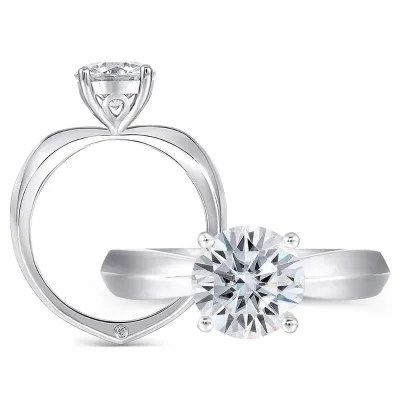


Advanced Design Moissanite 925 Sterling Silver Luxury Wedding Engagement Ring
$15.00 - $25.00
MOQ: 30 pcs


Egg-Shaped Moissanite Diamond Gold Silver Ring Simple Love Ring Marriage Engagement
$154.00 - $968.00
MOQ: 1 Pieces


925 Silver Ring with Moissanite Cross Design Women Double Row Cuban Ring
$9.99 - $200.00
MOQ: 1 Pieces
Comprehensive Sourcing Guide
Classic Tungsten Moissanite Engagement Ring Sourcing Guide
Sourcing high-quality engagement rings requires a nuanced understanding of material properties, manufacturing processes, and supplier capabilities. While the core keyword suggests a specific combination of tungsten carbide and moissanite, the broader market for fine jewelry often features sterling silver, gold-plated, or mixed-metal constructions. Buyers must carefully distinguish between the durability of tungsten and the aesthetic versatility of silver or gold alloys. This guide provides evidence-based procurement strategies to help buyers navigate these distinctions, ensuring that the final product meets both aesthetic expectations and functional durability requirements for wedding and decorative use.
The procurement process involves evaluating multiple variables, from the purity of the metal to the setting technique used for the gemstone. Buyers should focus on verifying the specific alloy composition, plating thickness, and stone certification. This guide emphasizes the importance of aligning supplier capabilities with brand requirements, particularly regarding customization, packaging, and delivery timelines. By understanding the technical and commercial nuances of ring sourcing, buyers can mitigate risks associated with quality inconsistencies and supply chain delays.
Product Scope and Observed Listing Signals
The observed product landscape reveals a diverse range of ring types, including inlaid rings, cocktail rings, and prime rings, with styles ranging from creative and fashion-forward to simple and geometric. Materials listed include 925 sterling silver with purities of 92.5%, as well as various plating options such as rhodium, rose gold, yellow gold, and black gold. The primary stones observed are moissanite, moonstone, amethyst, aquamarine, black rutilated quartz, and sunstone, indicating a strong market presence for moissanite in both standalone and multi-stone configurations.
Listing signals indicate that customization is widely available, with suppliers offering OEM/ODM services and customized packaging options like OPP bags, bubble wrap, and strong cartons. The observed price range spans from $1.5 to $968 USD, reflecting significant variation in material quality, stone size, and craftsmanship. Minimum Order Quantities (MOQ) typically range from 1 to 100 pieces, with some suppliers specifying an MOQ of 30 pieces, allowing for flexibility in initial procurement volumes. Delivery times vary from 7 to 30 days, depending on the complexity of the order and the supplier’s production schedule.
Technical Specifications to Verify
Verifying the metal composition is critical, especially when distinguishing between tungsten carbide and sterling silver. For silver-based rings, buyers must confirm the 925 purity mark and ensure that the plating process, such as electroplating or casting, meets durability standards. The fabrication processing methods observed include gem mounting, casting, and electroplating, each affecting the ring’s structural integrity and finish. Buyers should request detailed specifications on plating thickness and adhesion tests to prevent tarnishing or chipping, particularly for rings intended for daily wear.
Stone verification is equally important, with moissanite being a prominent option. Buyers should confirm the cut, clarity, and color grade of the moissanite or other gemstones like moonstone or amethyst. The ring size is often customizable, with standard sizes ranging from 6 to 11 and resizable options available. Shape variations include round and geometry designs, allowing for diverse aesthetic choices. Buyers must ensure that the setting technique securely holds the stone, preventing loss during wear, and verify that the ring’s logo, such as "925" or custom branding, is accurately applied.
Compliance and Safety Documentation
Compliance with safety standards is non-negotiable for jewelry intended for personal wear. Buyers must verify that suppliers provide SGS certification, which confirms adherence to international safety and quality standards. The observed products are noted as nickel and lead-free, a critical safety feature to prevent allergic reactions and ensure regulatory compliance in various markets. Buyers should request recent test reports to confirm the absence of harmful substances, ensuring that the rings meet the legal requirements of their target regions.
Documentation should also include material safety data sheets and compliance certificates for both the metal and the gemstones. Buyers must ensure that the supplier’s quality management system is certified and that they conduct regular internal audits. The presence of SGS certification indicates a commitment to quality, but buyers should verify the scope of the certification to ensure it covers the specific products being procured. Clear documentation helps in maintaining brand reputation and avoiding legal issues related to product safety.
Cost Drivers and Commercial Terms
Several factors influence the cost of engagement rings, including the type of metal, plating thickness, stone quality, and customization requirements. Sterling silver rings with gold or rhodium plating may offer a cost-effective alternative to solid gold, while moissanite stones provide a durable and visually appealing option at a lower price point than diamonds. The observed price range of $1.5 to $968 USD reflects these variations, with higher prices associated with complex designs, larger stones, or premium plating.
Commercial terms such as MOQ, lead time, and payment conditions significantly impact procurement strategy. Suppliers with an MOQ of 30 pieces offer flexibility for small to medium-sized orders, while larger volumes may qualify for discounts. Delivery times of 7 to 30 days require careful planning to align with marketing campaigns or seasonal demand. Buyers should negotiate clear terms regarding shipping methods, such as DHL, UPS, or FedEx, and ensure that packaging meets their branding and protection requirements.
Supplier Qualification and Quality Control
Supplier qualification involves assessing their production capabilities, quality control processes, and customer service responsiveness. Buyers should prioritize suppliers with proven experience in OEM/ODM services, as these suppliers are better equipped to handle customization requests and maintain consistent quality. The observed suppliers’ locations in Guangzhou, China, indicate a hub for jewelry manufacturing, offering access to skilled labor and advanced production technologies. Buyers should conduct site audits or request virtual tours to verify production facilities and quality control measures.
Quality control should include pre-production samples, in-process inspections, and final random inspections. Buyers must ensure that suppliers have robust procedures for checking plating adhesion, stone setting security, and dimensional accuracy. The ability to provide customized packaging and branding is also a key differentiator, allowing buyers to maintain brand consistency. Establishing a clear communication channel with the supplier ensures that any issues are addressed promptly, minimizing the risk of delays or defects.
Long-Term Procurement Checks
Long-term procurement success depends on continuous monitoring of supplier performance and market trends. Buyers should regularly review supplier metrics, including on-time delivery rates, defect rates, and responsiveness to issues. Establishing a performance scorecard helps in identifying areas for improvement and making informed decisions about supplier relationships. Buyers should also stay updated on changes in material costs, regulatory requirements, and consumer preferences to adapt their sourcing strategies accordingly.
Building a diversified supplier base can mitigate risks associated with single-source dependencies. Buyers should explore opportunities to work with multiple suppliers, each specializing in different aspects of ring production, such as metal casting, stone setting, or plating. This approach enhances flexibility and resilience in the supply chain. Additionally, fostering strong relationships with suppliers through regular communication and collaborative planning can lead to better pricing, priority production, and innovative product offerings.
FAQs
Can I customize the ring design and packaging?
Yes, customization is available for design and packaging. You can request specific styles like creative or fashion, and choose between OPP bags or strong cartons based on your requirements. OEM and ODM services are accepted to meet your unique needs.
What materials and plating options are used?
The rings are crafted from 925 Sterling Silver with a purity of 92.5%. Plating options include Rhodium, Rose Gold, Yellow Gold, and Black Gold. Some models feature Moissanite stones and are nickel and lead-free for safety.
What is the minimum order quantity and delivery time?
The minimum order quantity is 30 pieces for most items. Delivery times vary between 7 to 30 days depending on the specific product model and customization level. Standard production typically takes 20 to 30 days from order confirmation.
Which certifications ensure product quality and safety?
Products are certified by SGS to ensure quality and safety standards. The manufacturing process includes electroplating and gem mounting, with specific models adhering to SGS standards. This guarantees the rings are free from harmful substances like nickel and lead.
Where are these rings manufactured and shipped from?
These rings originate from Guangzhou, China, and are shipped globally via DHL, UPS, EMS, TNT, FedEx, or Yun Express. The manufacturing location allows for efficient production and logistics, ensuring timely delivery to international buyers for wedding or decoration purposes.
What ring styles and shapes are available?
Available styles include creative, fashion, and simple designs with round or geometry shapes. Types range from inlaid rings and cocktail rings to prime rings. Sizes are customizable, and various stone colors like Moissanite, Moonstone, and Amethyst are offered.